
The Science of Ayurvedic Diagnosis & Pathology
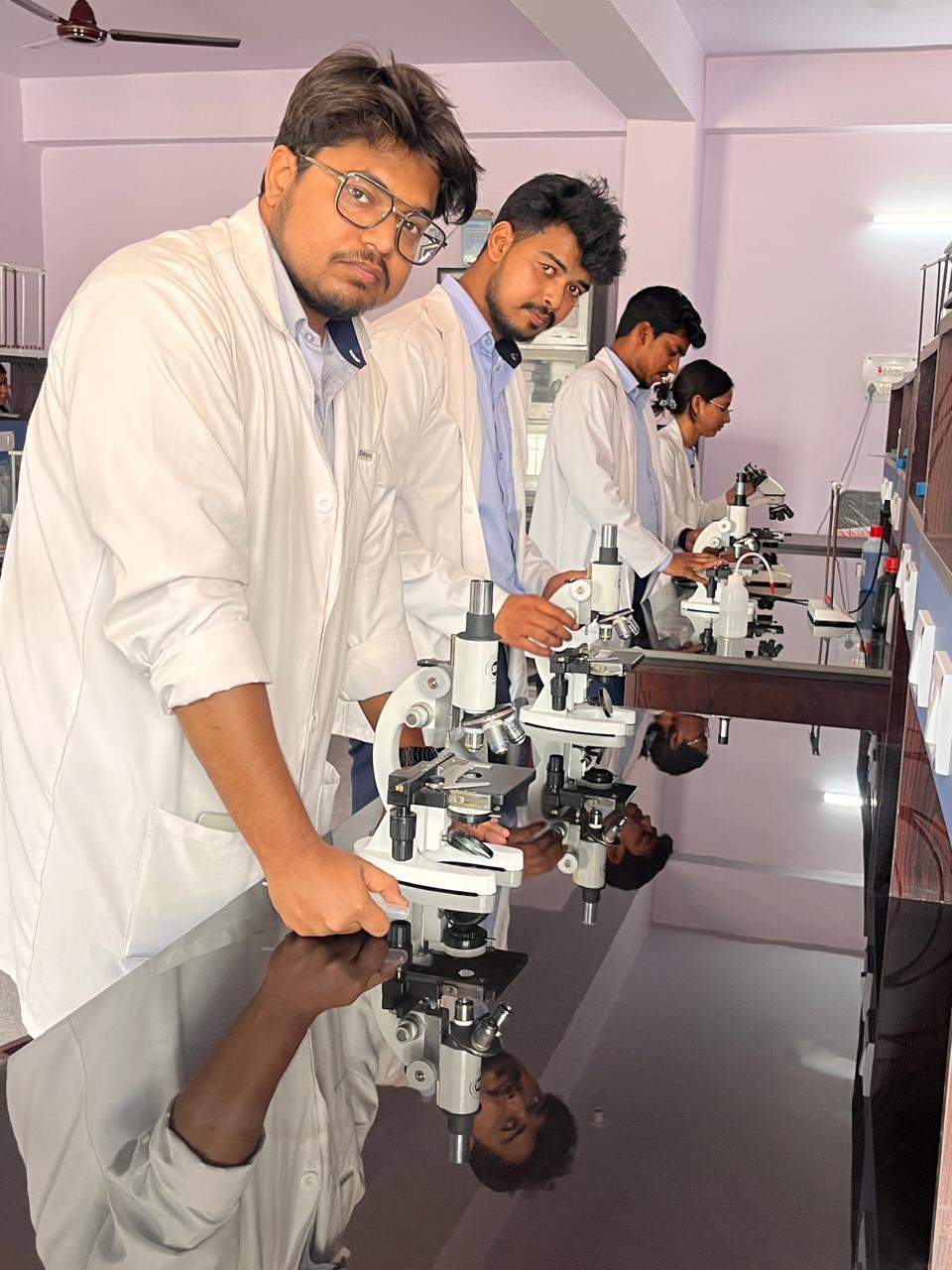
The Roga Nidan & Vikriti Vigyan department at Himalaya Ayurvedic Medical College & Hospital stands as the cornerstone of Ayurvedic diagnosis and pathology studies. It is a crucial field that delves into the understanding of diseases (Roga) and their pathophysiological changes (Vikriti).
Through ancient wisdom and contemporary approaches, this department aims to provide students with the necessary tools to identify, analyze, and treat various health conditions with precision.
The holistic approach of Ayurveda emphasizes a deep understanding of the root causes of diseases, focusing not only on physical symptoms but also on mental and emotional imbalances that contribute to ill-health.
This department bridges the theoretical foundations and practical skills necessary for diagnosing and treating disorders through Ayurvedic principles.
Comprehensive assessment of physical symptoms and signs through traditional Ayurvedic methods.
Evaluation of mental and emotional states to understand their impact on overall health.
Detailed examination of doshic imbalances to identify root causes of diseases.
Study of the causes, symptoms, and progression of diseases in human beings. Comprehensive learning about how imbalances in the three doshas (Vata, Pitta, Kapha) contribute to the manifestation of diseases.
Analysis of genetic, environmental, lifestyle, and emotional factors influencing health.
Mastering the art of Ayurvedic diagnosis using traditional methods like Nadi Pariksha (pulse reading), Jivha Pariksha (tongue examination), and Vikriti Pariksha (examination of bodily changes).
Enhancing diagnostic skills to detect the root causes of diseases, moving beyond just symptomatic treatment.
Studying the aberrant changes in the body's tissues, doshas, and elements.
Knowledge of how these imbalances impact the functioning of various organs and systems.
Learning to create personalized treatment plans that involve dietary recommendations, herbal formulations, lifestyle modifications, and therapeutic practices.
Integrating Ayurvedic treatments with modern medical advancements to provide well-rounded patient care.
The ancient art of assessing the balance of doshas through the pulse, providing deep insights into the patient's constitutional makeup and imbalances.
Analysis of the tongue's color, texture, and coating to identify toxins (ama) and digestive health issues.
Observation of the eyes to assess overall health, vitality, and specific doshic imbalances.
Equipped with state-of-the-art tools for examining diagnostic samples & various diseases.
Students get hands-on experience with patients under the guidance of experienced professionals.
A wide range of medicinal plants for practical learning for Ayurvedic treatments.
Learn from experienced practitioners who are experts in Ayurvedic diagnosis and pathology.
Develop skills to provide personalized care based on individual constitutional needs.
Study both traditional Ayurvedic methods and modern diagnostic techniques.
Begin your journey into the science of Ayurvedic pathology and diagnosis